Cold Rolled Steel

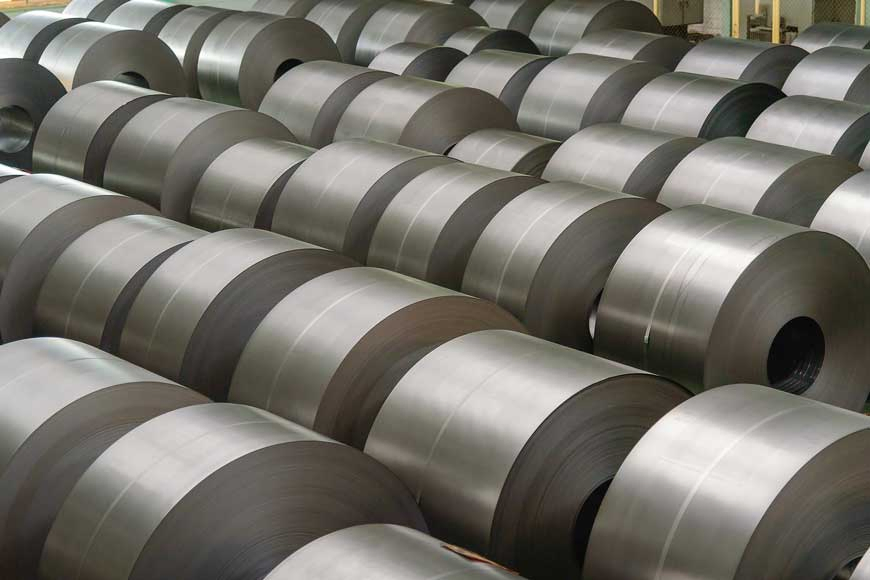
Cold Rolled Steel is essentially hot rolled steel that has been through further processing. Once hot rolled steel has cooled, it is then re-rolled at room temperature to achieve more exact dimensions and better surface qualities. Cold “rolled” steel is often used to describe a range of finishing processes, though technically “cold rolled” applies only…

Details

Rebars

Rebar (short for reinforcing bar), known when massed as reinforcing steel or reinforcement steel is a steel bar or mesh of steel wires used as a tension device in reinforced concrete and reinforced masonry structures to strengthen and aid the concrete under tension. Concrete is strong under compression but has weak tensile strength. Rebar significantly…

Details

Channels

  The structural channel, also known as a C-channel or Parallel Flange Channel (PFC), is a type of (usually structural steel) beam, used primarily in building construction and civil engineering. Its cross section consists of a wide “web”, usually but not always oriented vertically, and two “flanges” at the top and bottom of the web,…

Details

H-Beam

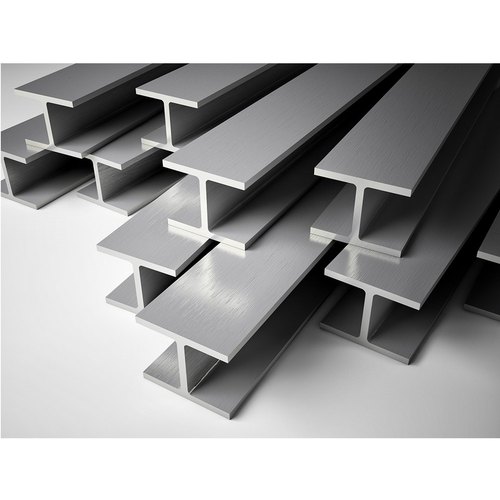
A beam is a structural element that primarily resists loads applied laterally to the beam’s axis. Its mode of deflection is primarily by bending. The loads applied to the beam result in reaction forces at the beam’s support points. H beam is a structural beam made of rolled steel. It is incredibly strong. It gets…

Details

Refractories

Refractories are ceramic materials designed to withstand the very high temperatures (in excess of 1,000°F [538°C]) encountered in modern manufacturing. More heat-resistant than metals, they are used to line the hot surfaces found inside many industrial processes. In addition to being resistant to thermal stress and other physical phenomena induced by heat, refractories can withstand…

Details